
Capillary Blood Flow Helps Liver Detox
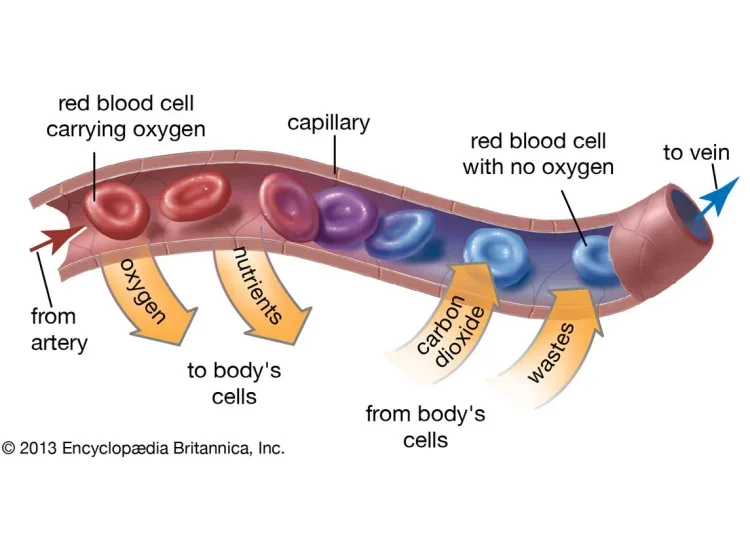
Optimizing capillary blood flow in the liver is critical for efficient detoxification because these vessels act as the primary interface for exchanging waste, nutrients, and toxins between the blood and liver cells called hepatocytes.
According the the National Institutes of Health, improved blood flow ensures that toxins are efficiently delivered to the hepatocytes, processed, and removed, while preventing the stagnation that leads to liver damage.
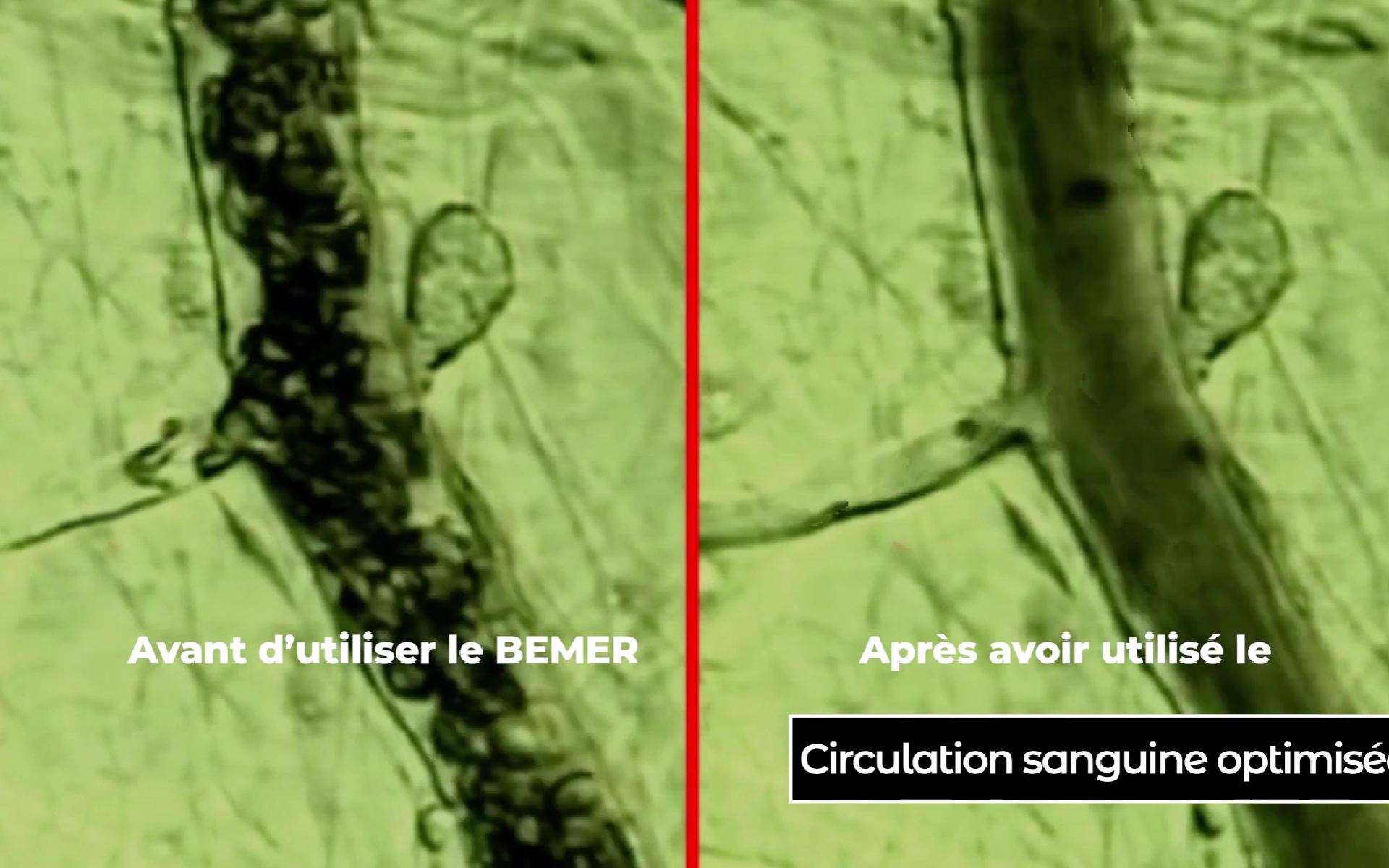
How Optimized Blood Flow Aids Detoxification
Maximizes Nutrient/Toxin Exchange: Liver sinusoids (liver capillaries) are “discontinious”, meaning they have large gaps that act like a colander, allowing large molecules, blood cells, and plasma proteins to freely pass between blood and liver cells. Optimal blood flow ensures these openings are UNOBSTRUCTED, facilitating rapid uptake of toxins from the blood into hepatocytes for processing.
Enhances Phase 1 and 2 Processing (Detox): The liver detoxifies in two main phases. Phase 1 converts fat-soluble toxins into intermediate metabolites. Phase 2 makes them water-soluble for excretion. Better capillary blood flow means these metabolites are quickly transported away from the liver, reducing the chance that reactive intermediates damage liver cells.
Prevents “Capillarization” (Liver Stiffening): When blood flow is sluggish or damaged, sinusoids can lose their fenestrations (a process called capillarization), turning them into standard, less-permeable capillaries. Optimizing blood flow prevents this, ensuring that the liver’s gatekeeper function remains intact.
Supports Efficient Waste Removal: The liver filters roughly 2 quarts of blood every minute. Improved circulation, often achieved through exercise and hydration, ensures that this high volume is maintained, allowing for faster removal of metabolic waste and environmental toxins.
Activates Antioxidant Defenses: Improved blood flow and nutrient delivery helps the liver produce necessary antioxidants (like glutathione) to neutralize the free radicals produced during Phase 1 detoxification, protecting the liver from damage.
Methods to Optimize Liver Blood Flow
Exercise: Regular physical activity (e.g., 30 minutes, 5 days a week) boosts blood flow and increases oxygen delivery to the liver.
Hydration: Adequate water intake is essential for maintaining proper blood volume and flow, allowing for the transport of toxins to the kidneys for excretion.
Nutrient-Dense Diet: Consuming sulfur-rich foods (cruciferous vegetables like broccoli, garlic) supports liver enzymes and reduces inflammation.
Sleep: 7-9 hours of quality sleep helps the body’s overall detoxification, allowing for tissue repair.
BEMER Therapy: BEMER sends a low intensity pulsed electromagnetic field into the body in order to safely stimulate healthy muscles which can temporarily increase microcirculation. Each 8 minute session allows for better circulation for 12 hours. Patented Signal
The BEMER signal sets a new standard in the industry with its complex, carefully tuned configuration and timing. Nearly two decades of research and development have resulted in BEMER’s unique bio-rhythmically defined signal. This pulsed electromagnetic field is a feat of German engineering that’s protected by multiple worldwide patents and used exclusively by BEMER.
Putting It All Together
Optimized liver capillary blood flow ensures that the liver’s filtering, metabolizing, and excretory functions work in harmony, preventing the accumulation of reactive, toxic intermediates and maintaining overall liver health.
